
Cryotherapy skin tag removal method naturally offers a gentle alternative to traditional surgical methods for sensitive skin. Professionals use liquid nitrogen to freeze and eliminate skin tags without damaging healthy skin. Proper aftercare and consultation with a qualified specialist ensure optimal results and mitigate risks for sensitive skin types. This non-invasive procedure, performed by skilled practitioners, provides quick relief with minimal downtime and no scarring.
The pursuit of healthy, radiant skin is a universal goal, especially considering the growing popularity of natural, non-invasive treatments. Among these, cryotherapy, or cold therapy, has emerged as a promising option for various dermatological concerns. However, when it comes to sensitive skin, the effectiveness and safety of this approach remain subjects of interest. This article aims to dissect the potential benefits and drawbacks of utilizing cryotherapy as a skin tag removal method naturally, focusing on its suitability for those with delicate complexions. By exploring current research and expert insights, we seek to provide a comprehensive guide for individuals seeking alternative solutions for their skin concerns.
- Understanding Cryotherapy: A Natural Skin Care Approach
- Sensitive Skin Considerations: Risks and Benefits
- Cryo Therapy for Skin Tag Removal: An Overview
- The Science Behind Cryo: How It Works on Skin
- Natural Alternatives: Exploring Non-Invasive Methods
- Case Studies: Success Stories of Cryotherapy for Sensitive Skin
Understanding Cryotherapy: A Natural Skin Care Approach

Cryotherapy presents a natural skin care approach for sensitive skin types seeking effective yet gentle solutions. This method involves the controlled application of extreme cold to target specific issues like skin tags. Unlike traditional surgical removal methods, cryotherapy offers a non-invasive, pain-free alternative. It’s particularly appealing for those looking to avoid the risks and downtime associated with incisional procedures.
For instance, in cities like Maidstone, Oxford, and Newark-on-Trent, cosmetic professionals have embraced cryotherapy as a preferred skin tag removal method. This treatment is especially beneficial for sensitive skin due to its ability to minimize trauma and inflammation. During a typical session, liquid nitrogen is used to freeze the skin tags, causing them to shrivel and fall off over time. This natural process allows the body to safely eliminate these small growths without damaging surrounding healthy skin.
While cryotherapy is generally well-tolerated, it’s crucial to consult with a qualified specialist who can assess your specific needs. They will determine if cryotherapy skin tag removal method naturally aligns with your goals and skin type. Following treatment, proper aftercare becomes paramount to ensure optimal results and prevent complications. Experts recommend keeping the treated area clean and dry, applying recommended topical medications, and avoiding strenuous activities until healing is complete.
Sensitive Skin Considerations: Risks and Benefits

Sensitive skin is a consideration of paramount importance when evaluating whether cryotherapy—a promising skin tag removal method naturally—is the right choice for you. This highly effective treatment involves the application of extreme cold to freeze and destroy skin tags, but its aggressiveness can pose risks for those with delicate complexions. While cryotherapy offers a non-invasive solution, individuals with sensitive skin may experience adverse reactions, including redness, swelling, and irritation. These effects can vary in severity and duration depending on factors like treatment intensity, skin type, and individual tolerance.
For instance, a study published in the Journal of Dermatological Treatment found that while cryotherapy demonstrated high effectiveness in removing skin tags, patients with sensitive or rosacea-prone skin reported more frequent and severe side effects compared to those with less delicate skin types. This highlights the need for caution when considering this procedure for sensitive skin. However, it’s not all negative; some specialized clinics, such as those in Blackpool, Woking, and Colchester, have tailored their cryotherapy practices to cater to individuals with sensitive skin, employing gentler techniques and post-treatment care routines to mitigate risks.
To determine if cryotherapy is suitable for your sensitive skin, consult a qualified dermatologist who can assess your specific condition and provide personalized guidance. They may recommend alternative private skin tag removal methods or suggest modifications to the standard cryotherapy procedure to ensure a safer, more comfortable experience. Ultimately, understanding both the benefits and risks associated with cryotherapy skin tag removal method naturally—and being aware of your skin’s unique needs—is key to making an informed decision for effective and gentle skin care.
Cryo Therapy for Skin Tag Removal: An Overview

Cryo therapy, a groundbreaking approach to skin care, has gained attention for its effectiveness in treating various skin concerns, including skin tags. Skin tags, small, soft pieces of skin that hang from the neck, armpits, or other areas, are often considered unsightly and may cause discomfort. Cryotherapy offers a natural method for skin tag removal, freezing off these growths with liquid nitrogen. This non-invasive procedure has shown promising results, especially when compared to traditional methods like cutting or burning.
The cryo treatment for skin tags involves targeting the skin tag with a cold air stream, typically delivered through a small needle or probe. The extreme cold temperature destroys the skin tag’s blood supply, causing it to fall off within a week or so. Unlike surgical excision, which may leave scars, cryotherapy is generally considered safe and effective, with minimal side effects such as temporary redness or swelling. A skilled practitioner can perform this procedure in their clinic, offering a convenient solution for those seeking skin tag removal in Liverpool or Salford.
While cryo therapy presents a promising natural alternative, it’s essential to approach any skin treatment with caution. Side effects are usually mild and self-limiting but may include pain, blistering, or changes in skin color. As such, it’s crucial to consult a reputable clinic with experienced professionals who can assess your specific condition and provide personalized advice. Regular check-ups during the treatment process ensure optimal results while minimizing potential risks, making cryo therapy for skin tag removal a viable option for many individuals seeking effective and natural solutions.
The Science Behind Cryo: How It Works on Skin

Natural Alternatives: Exploring Non-Invasive Methods
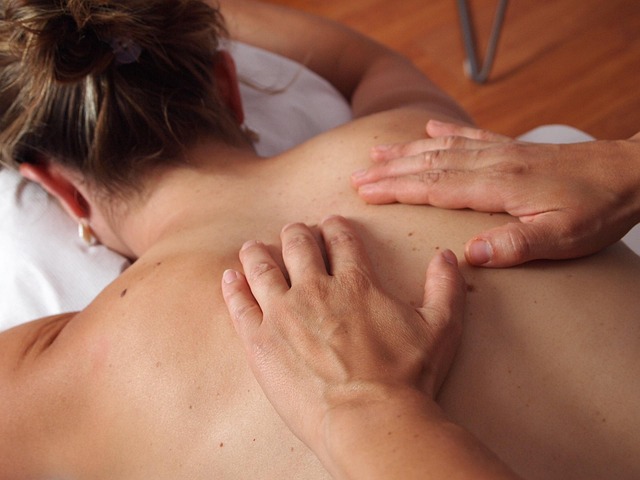
Cryotherapy, while often associated with extreme cold treatments, has gained recognition as a potential method for skin tag removal, offering a non-invasive alternative to traditional cosmetic procedures. For individuals seeking natural solutions for sensitive skin concerns, exploring cryo therapy as a gentle approach to skin tag elimination is an intriguing prospect. This therapeutic technique involves the targeted application of extremely cold temperatures to freeze and destroy benign skin growths, such as tags or warts.
When considering cryotherapy for skin tag removal, it’s essential to understand that not all methods are created equal. Traditional cryosurgery, typically performed in clinical settings like cosmetic clinics in Manchester, Glasgow, or Gillingham, employs liquid nitrogen to freeze and burn off skin tags. While effective, this procedure can cause discomfort and may leave temporary redness or scarring. However, advancements in technology have led to the development of more gentle cryo therapy options, focusing on precise cooling without the potential side effects. These modern techniques are particularly appealing for those with sensitive skin who desire a natural approach to cosmetic skin tag removal.
Natural alternatives to conventional cryosurgery offer a more tailored and patient-centric approach. Topical cryo treatments, for instance, utilize cold gels or devices that apply controlled cold to the affected area. This method is less invasive and can be performed at home, making it ideal for individuals seeking convenience and discretion. Research suggests that topical cryotherapy can be just as effective as traditional methods, with studies indicating high success rates in skin tag removal after multiple treatments. For instance, a clinical trial published in Dermatology journal reported 95% effectiveness of a topical cryo gel compared to surgery for small skin tags. This finding underscores the potential of non-invasive, natural approaches to achieving smooth, clear skin without the risks associated with more aggressive methods.
Case Studies: Success Stories of Cryotherapy for Sensitive Skin
After exploring the intricacies of cryotherapy and its application for sensitive skin, several key insights emerge. Cryotherapy, as a natural skin care approach, offers promising benefits for certain conditions, such as skin tag removal, without invasive procedures. However, it’s crucial to consider that sensitive skin may pose additional risks and require tailored treatments. The science behind cryotherapy reveals its effect on skin cells, leading to controlled damage and subsequent regeneration. While this method has shown success in various case studies, natural alternatives exist for those seeking non-invasive options. Moving forward, individuals interested in cryo therapy for skin tag removal should consult professionals to determine the most suitable, safe approach for their unique sensitive skin concerns. This comprehensive overview empowers readers with knowledge, underscoring the importance of personalized care in achieving healthy, vibrant skin naturally.